The Hidden Link Between Digestion and Eye Health
Vitamin A is an essential nutrient that plays a critical role in visual function and the health of the ocular surface. While vitamin A deficiency is often associated with dietary insufficiency in developing nations, a recent multicenter study co-authored by Dr. Sidney A. Schechet and published in the peer-reviewed journal Frontiers in Ophthalmology (April 2026) sheds light on a different risk factor: gastrointestinal (GI) and hepatobiliary diseases.
Because vitamin A is a fat-soluble vitamin absorbed in the digestive tract and stored in the liver, patients with conditions that impair these processes are particularly vulnerable to deficiency. The study examined patients with underlying GI or hepatobiliary comorbidities—such as fatty liver disease, prior gastric bypass surgery, cirrhosis, Crohn’s disease, and Celiac disease—who presented with ocular symptoms.
Recognizing the Symptoms
According to the research, vitamin A deficiency can produce a wide spectrum of ocular manifestations, affecting both the front (anterior) and back (posterior) of the eye. In the study cohort, patients presented with a variety of symptoms, including:
- Dry Eyes and Surface Irritation: Over 76% of patients reported dry eye symptoms. Severe cases can lead to non-healing corneal defects or even corneal perforation.
- Nyctalopia (Night Blindness): More than 63% of patients experienced difficulty seeing in low-light conditions, which is often one of the earliest signs of deficiency.
- Decreased Visual Acuity: Bilateral vision loss was reported in nearly 85% of patients.
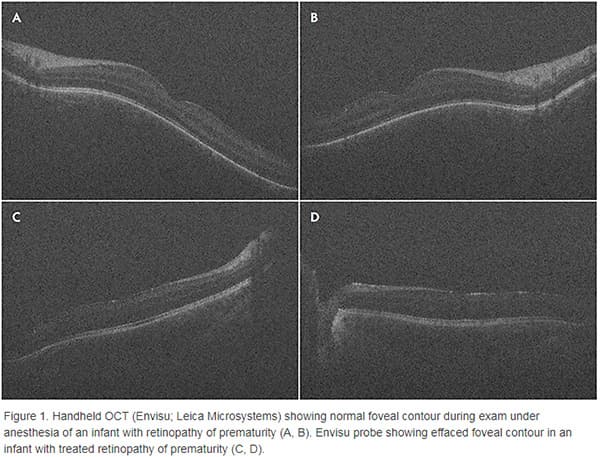
- Retinal Changes: Advanced imaging techniques like optical coherence tomography (OCT) revealed retinal abnormalities, including subretinal drusenoid deposits and disruptions to the outer retinal layers.
The Importance of Early Detection and Treatment
One of the most encouraging findings from Dr. Schechet's study is that both anterior and posterior segment manifestations of vitamin A deficiency are at least partially reversible when identified and treated early. The study found that all patients who received appropriate vitamin A supplementation experienced an improvement or complete resolution of their visual symptoms, underscoring the preventable nature of this condition.
However, because serum vitamin A levels are not routinely checked in all patients with GI or liver conditions, the deficiency is often underrecognized until vision-threatening symptoms arise. The research highlights the need for a collaborative approach among primary care providers, gastroenterologists, and eye care specialists to proactively screen high-risk patients.
What This Means for Patients
If you have a history of gastrointestinal malabsorption, chronic liver disease, or have undergone bariatric surgery, it is important to be aware of the potential impact on your eye health. Maintaining regular comprehensive eye examinations is a crucial part of your overall healthcare.
To schedule a comprehensive retinal evaluation or to discuss any changes in your vision, contact the Elman Retina Group at 410-686-3000.