Key Takeaways
- Macular edema is swelling in the macula, the central part of the retina responsible for sharp vision.
- Common causes include diabetic macular edema (DME), retinal vein occlusion, and uveitis.
- Symptoms include blurry, wavy vision, and difficulty seeing colors.
- Diagnosis involves eye exams with tools like OCT and fluorescein angiography.
- Treatment options include anti-VEGF injections, laser surgery, and corticosteroids.
Imagine trying to read a book, but the words are blurry and distorted. This can happen if you have macular edema. Macular edema (swelling in the macula) affects the central part of your retina. The retina is the tissue at the back of your eye that helps you see.
What is Macular Edema?
Macular edema happens when fluid builds up in the macula. The macula is responsible for your sharp, central vision. When it swells, your vision becomes blurry and wavy. It can be hard to see details.
What Causes Macular Edema?
Many things can cause macular edema. According to the National Eye Institute, the most common cause is diabetic macular edema (DME). This happens in people with diabetes. Other causes include:
- Retinal vein occlusion (a blockage in a blood vessel in the retina)
- Uveitis (inflammation inside the eye)
- Eye surgery
What are the Symptoms of Macular Edema?
If you have macular edema, you may notice:
- Blurry vision
- Wavy vision
- Trouble seeing colors
- Difficulty reading
- Sensitivity to light
If you have any of these symptoms, see a retina specialist right away.
How is Macular Edema Diagnosed?
A retina specialist can diagnose macular edema during an eye exam. They will use special tools to look at your retina. These tools may include:
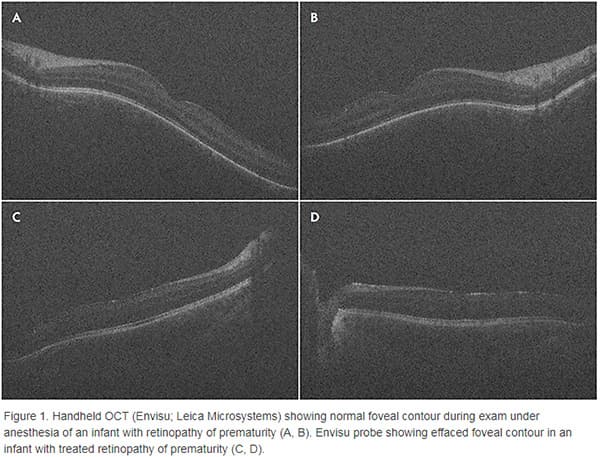
- Optical coherence tomography (OCT): This scan takes detailed pictures of your retina.
- Fluorescein angiography: This test uses dye to show blood flow in your retina.
How is Macular Edema Treated?
There are several treatments for macular edema. The goal of treatment is to reduce swelling and improve vision. Treatments include:
- Anti-VEGF injections: These medicines are injected into your eye to block a protein called VEGF. VEGF causes blood vessels to leak.
- Laser surgery: A laser can be used to seal leaking blood vessels in the retina.
- Corticosteroids: These medicines can reduce inflammation in the eye. They can be given as eye drops, injections, or pills.
Your doctor will decide the best treatment for you based on the cause and severity of your macular edema.
Macular edema can cause vision problems, but treatment can help. If you are experiencing blurry or wavy vision, please call Elman Retina Group at 410-686-3000 to schedule an appointment.
Frequently Asked Questions
What is the macula?
The macula is the central part of your retina. It is responsible for your sharp, detailed vision and helps you see colors clearly.
Can macular edema cause blindness?
If left untreated, macular edema can lead to significant vision loss. Early diagnosis and treatment are important to protect your sight.
How can I prevent macular edema if I have diabetes?
If you have diabetes, manage your blood sugar levels. Regular eye exams are also important to catch any problems early.
Schedule Your Consultation
Have questions about your eye health? Our retina specialists are here to help.
410-686-3000
Five convenient locations in the Baltimore metro area